Mngqithi Calls For VAR After Arrows’ Controversial Nedbank Cup Win Over Stellenbosch

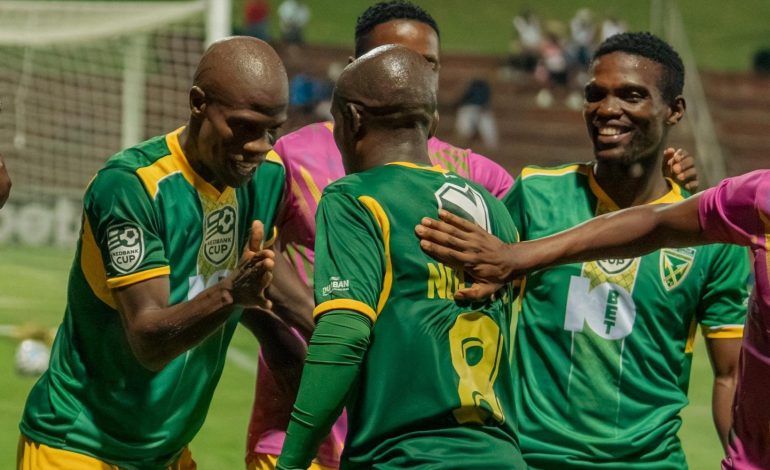
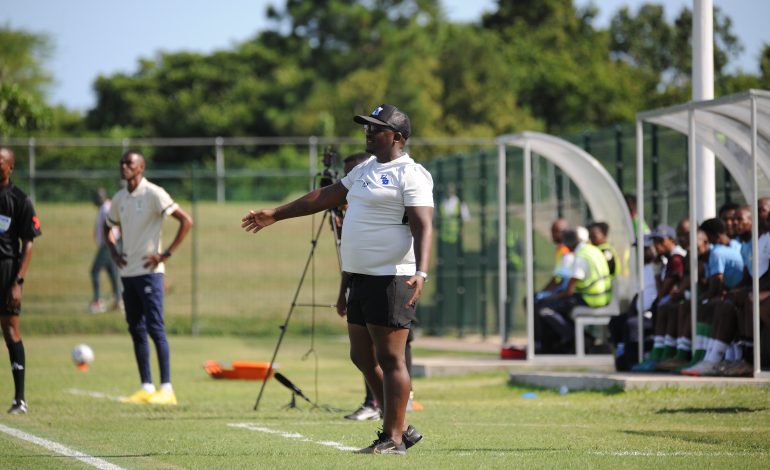
Golden Arrows coach Manqoba Mngqithi says he would not be satisfied winning matches under controversial circumstances after his side edged Stellenbosch 1-0 in the Nedbank Cup round of 16.
Abafana Bes’Thende progressed to the quarter-finals following their victory over Stellenbosch at the King Zwelithini Stadium on Saturday. However, the match was overshadowed by a contentious decision when Stellenbosch were denied what appeared to be a clear penalty in the second half.
Stellies coach Gavin Hunt’s side felt aggrieved after Langelihle Phili’s attempted cross struck the outstretched hand of Ayanda Jiyane inside the box, but no spot-kick was awarded. Moments later, Arrows capitalised, with Angelo van Rooi scoring the decisive goal to seal their passage into the last eight.
Mngqithi: “The Game Is Too Fast Without Technology”
Mngqithi admitted he had not seen the incident clearly but stressed that the growing speed of modern football makes it increasingly difficult for referees to make accurate decisions without technological assistance.
“To be honest, I have not seen it [if it was a red card or not],” said Mngqithi.

“But the reality is, it will go back to what I said – the game is too fast. To make some of the decisions, you need technology because speed will always sometimes be faster than the referees, or sometimes make referees make conclusions to say ‘Maybe, it was too close’.
“But when you have a second chance to look at it, you will be able to see exactly what happened. I will not appreciate winning the match with such issues because of this issue. I think I have been talking about it all along.
“Because the reality is, we must win a match without such issues. And how are we going to achieve that when you are going to be facing the same problem, because I look at how our team attacks, which referee or official can manage to keep up with the speed and be able to stay with the second last defender?
“Those things are the realities of our game. When you look at the speed of a team like Orlando Pirates, it will always be difficult.
“Look at the speed of Kaizer Chiefs when they played against Stellenbosch. The chances they were getting behind the defense, and you say, will match officials to have the capacity to deal with these things?
“It is reality, it’s the game; it is the demand for the game. The game has become too dynamic. The price is always too heavy for any team.”
There are further structural challenges within South African football, as match officials are not permanently employed by the South African Football Association (SAFA). Unlike professional players, referees do not operate under the same rigorous weekly training, conditioning, and nutritional programmes as clubs.
“It is probably the reason why you need a VAR,” added Mngqithi.
“Because, whenever there has been a miss in terms of the judgement, if there is VAR, you can look at it again because the official was behind the action to say ‘this was offside, this was not offside, this was a penalty, this was not a penalty, this was not a red card, this is a red’.
“But when you are expecting the referees to run like football players, you are unfair because we put these boys through rigorous training in terms of strength, in terms of intermittent speed – where it is endurance, it’s speed, it’s acceleration – all these things that we do every week are not going to be the same with match officials.”
Quarter-Final Await
Arrows will now wait to learn their opponents when the Nedbank Cup quarter-final draw takes place on Monday, as the competition moves closer to crowning a new champion.