KZN Sports Secures R1.6B Budget For 2026/27


KwaZulu-Natal is reinforcing its commitment to the development of sport, arts and culture, with the provincial government unveiling an ambitious plan aimed at creating greater opportunities for communities while preserving the province’s rich heritage.
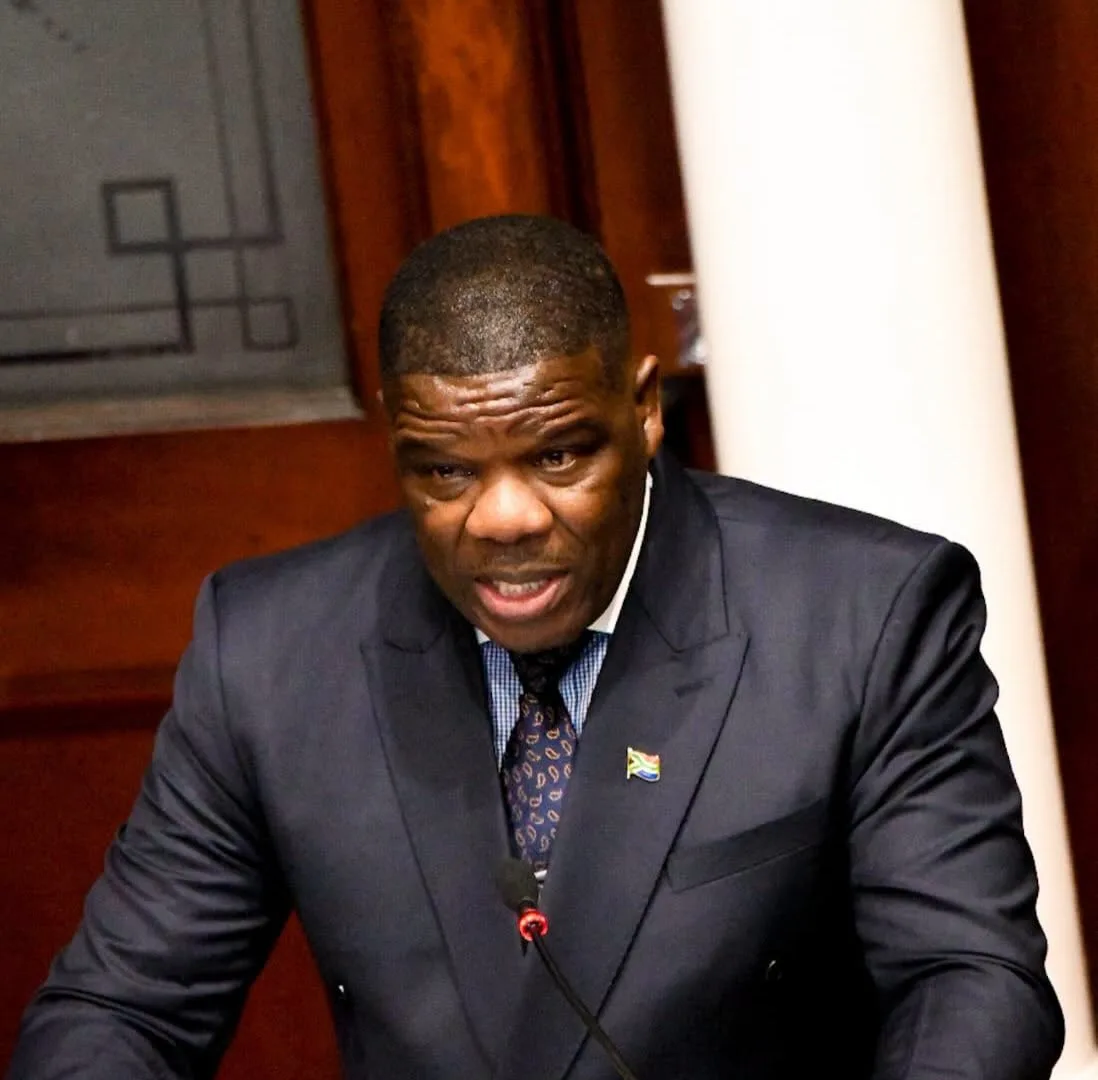
Speaking during the 2026/27 Budget Vote on Tuesday, KwaZulu-Natal MEC for Sport, Arts and Culture Mntomuhle Khawula outlined the Department’s vision for the year ahead, highlighting a strong focus on youth development, sporting excellence, cultural preservation and infrastructure investment.
The Department has been allocated a budget of R1.6 billion for the 2026/27 financial year, which Khawula said will be directed towards strengthening programmes that empower young people, improve access to sporting and cultural facilities, protect heritage sites and promote indigenous languages throughout the province.
Khawula emphasised that sport, arts and culture play a critical role in social cohesion, economic growth and community development. He said the Department’s investment strategy is designed to ensure that people across KwaZulu-Natal, particularly those in rural and underserved communities, have access to quality facilities and opportunities that can help unlock their potential.
A significant portion of the budget will be dedicated to supporting grassroots sport and identifying young talent capable of progressing to provincial, national and international levels. The Department also intends to continue upgrading community sports facilities, ensuring they meet the standards required to host competitions while providing safe spaces for recreational activities.

Beyond sport, the Department will continue investing in initiatives that celebrate and preserve KwaZulu-Natal’s diverse cultural heritage. This includes supporting artists, cultural organisations and heritage institutions, while expanding programmes aimed at safeguarding the province’s historical sites and traditions for future generations.
The promotion and development of indigenous languages also remains a key priority. Khawula said the Department will strengthen programmes that encourage the use and preservation of local languages, recognising their importance in maintaining cultural identity and fostering social inclusion.
The Department further plans to expand access to libraries, museums, arts centres and community cultural facilities, creating more opportunities for education, creativity and skills development across the province.
Khawula said the Department’s long-term vision is to ensure that every investment made contributes to sustainable development and improved quality of life for residents. By combining investment in infrastructure with programmes that nurture talent and preserve heritage, the Department hopes to create lasting social and economic benefits throughout KwaZulu-Natal.
With a R1.6 billion allocation for the 2026/27 financial year, the Department believes it is well positioned to strengthen sport, arts and culture while building a more inclusive and prosperous future for communities across the province.